If you’ve spent any time researching joint pain treatment, you’ve probably run into the word “orthobiologics” and wondered what it actually means in practice. Here’s the plain-English version.
The Big Idea
Orthobiologics are treatments that use materials from your own body — blood, platelets, or cells — to support the body’s natural healing response in joints, tendons, and ligaments. Instead of introducing an outside substance, these treatments work by concentrating and delivering what your body already produces for repair.
The Main Types
- Platelet-Rich Plasma (PRP): a concentration of your own platelets, which contain growth factors involved in tissue repair, injected into an injured or irritated area
- Prolotherapy: an injection of a mild irritant, often a dextrose solution, designed to trigger the body’s repair process in a weakened ligament or tendon
- Stem Cell Therapies (MFAT / adipose-derived): cells drawn from your own tissue, used to support repair in more complex or long-standing joint issues
What They Have in Common
All orthobiologic treatments share a similar philosophy: support the body’s own healing process rather than simply masking pain. None of them are a “quick fix” — they’re designed to work over time as tissue rebuilds and adapts.
What They’re Typically Used For
- Tendon injuries (tennis elbow, Achilles issues, rotator cuff irritation)
- Mild to moderate arthritis
- Ligament injuries and joint instability
- Chronic overuse injuries that haven’t fully resolved with rest or physical therapy alone
Are They Right for You?
Orthobiologics aren’t one-size-fits-all, and the right option (or combination) depends on your specific injury, tissue health, and goals. A consultation is the best way to determine whether PRP, Prolotherapy, or stem cell therapy fits your situation — or whether a different approach makes more sense.
Contact us to schedule a consultation with Dr. Ryan Wood or Dr. William Hibbitts.
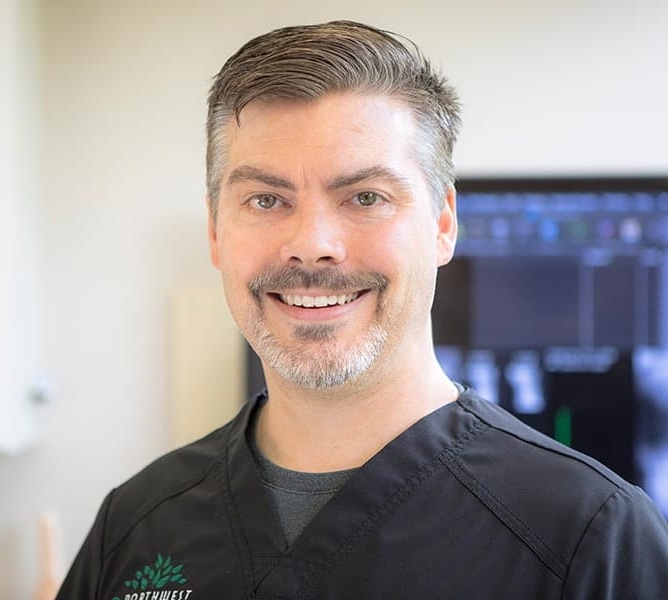
Dr. Ryan Wood, ND, DC, RMSK, is the Founder & Clinical Director of NW Regen. A licensed Naturopathic and Chiropractic physician certified in musculoskeletal sonography, he focuses on interventional orthopedic and orthobiologic medicine — including PRP, prolotherapy, and adipose-derived stem cell therapies — as well as general musculoskeletal and non-surgical orthopedic medicine. He is the West Coast’s leading Stellate Ganglion Block specialist, having performed nearly 3,000 DSR-SGB procedures for trauma, dysautonomia, and post-COVID syndromes since 2017. Dr. Wood is a lecturer and instructor for the Hackett Hemwall Patterson Foundation and the European School of Prolotherapy. He teaches interventional regenerative orthopedics and diagnostic ultrasound and provides hands-on physician training in SGB domestically and internationally. With almost two decades of orthopedic practice across multiple disciplines, he brings extensive experience to the diagnosis and management of complex cases.