For many people, stress eventually passes.
The body settles. Sleep returns. Healing resumes.
But for others, the nervous system never quite powers down. Even after rest, therapy, or lifestyle changes, the body remains on high alert — jumpy, tense, inflamed, or exhausted.
This pattern shows up in many forms: chronic pain, lingering anxiety, post-traumatic stress, dysautonomia, long COVID, or difficulty recovering from injury.
When stress gets stuck in the nervous system, healing often stalls — not because someone isn’t trying hard enough, but because the body doesn’t feel safe enough to repair.
This is where stellate ganglion block (SGB) may play a role for some patients.

When the Nervous System Can’t Stand Down
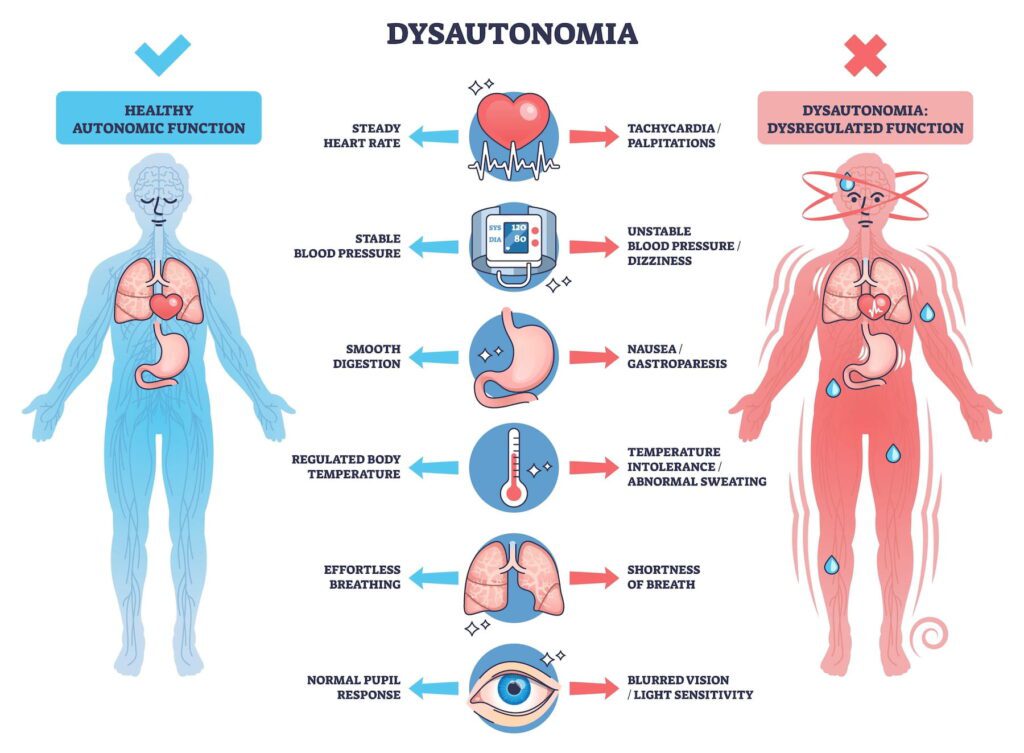
The autonomic nervous system regulates the body’s balance between activation and rest.
The sympathetic branch prepares us for action — increasing heart rate, muscle tension, and alertness. The parasympathetic branch supports rest, digestion, repair, and recovery.
Under normal circumstances, the body moves fluidly between the two. But prolonged stress, trauma, illness, or chronic pain can leave the sympathetic system “stuck on” and patients may experience:
- Heightened pain sensitivity
- Poor or non-restorative sleep
- Ongoing inflammation
- Anxiety with strong physical symptoms
- Difficulty healing from injuries
In these cases, traditional advice to “relax” or “push through” often falls flat. Even gentle support may not impact the body. The issue isn’t mindset — it’s physiology.
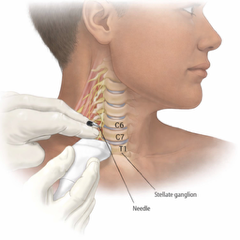
What Is a Stellate Ganglion Block?
The stellate ganglion is a cluster of nerves in the neck that plays a key role in sympathetic nervous system signaling to the head, neck, chest, and upper extremities.
A stellate ganglion block involves a carefully guided injection of local anesthetic near this nerve bundle to temporarily interrupt excessive sympathetic signaling.
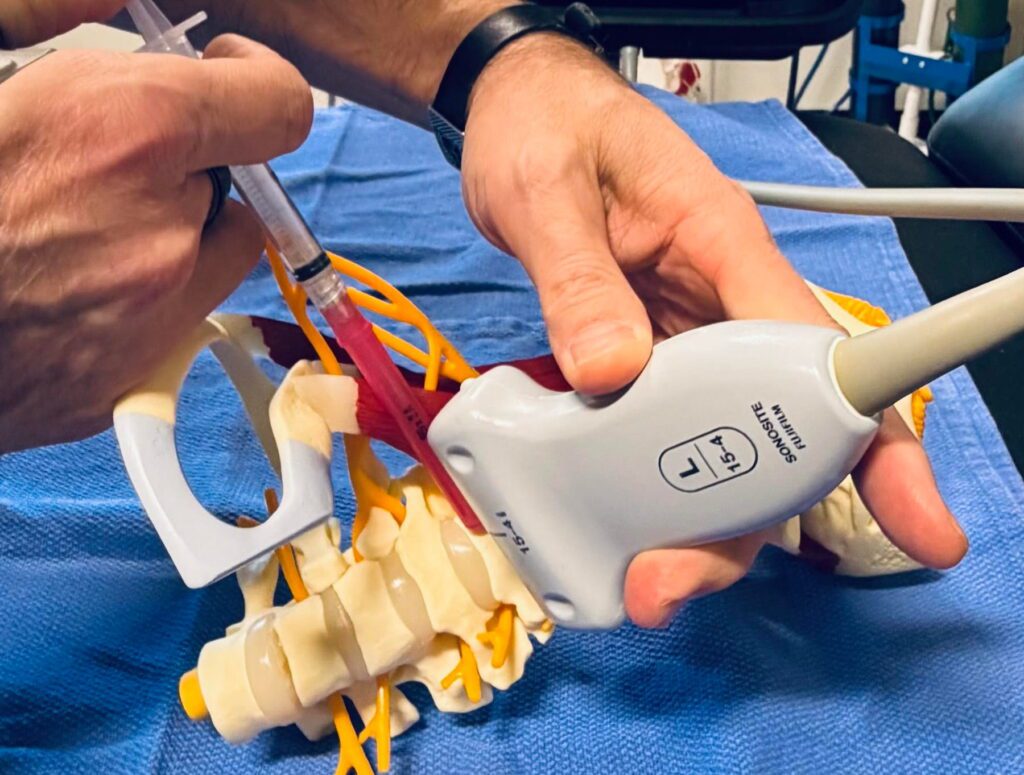
a collection of nerves in the bottom front of your neck.
This interruption allows the nervous system to reset — reducing the intensity of fight-or-flight responses and creating an opportunity for the body to re-establish balance. It may reduce the physiological overreaction that keeps the body locked in survival mode.
Why SGB Is Used Beyond PTSD
SGB is perhaps best known for its use in PTSD, but growing clinical experience has shown that sympathetic overdrive plays a role in many other conditions as well.
At NW Regen, patients who inquire about SGB often have complex presentations that include chronic pain, dysautonomia (such as POTS), post-viral syndromes, or difficulty recovering from orthopedic injuries.
“When the nervous system is stuck in a protective state, pain becomes amplified and healing slows,” says Dr. Ryan Wood. “In some cases, calming that overactive stress response can make other treatments — physical therapy, regenerative injections, even sleep — more effective.”
This doesn’t mean SGB is appropriate for everyone. But it does mean that addressing nervous system tone can be an important missing piece for patients who feel like they’ve tried everything.

Stellate Ganglion Block (SGB) is an established block for certain pain and sympathetic nervous system disorders and is being explored as an off-label option for a range of other conditions involving autonomic dysregulation.
How SGB Fits into Integrative Care at NW Regen
At NW Regen, SGB is never viewed as a stand-alone solution. Instead, it’s considered one tool within a broader, individualized care plan.
For the right patient, calming the nervous system may:
- Reduce baseline pain sensitivity
- Improve sleep quality
- Increase tolerance for movement or rehabilitation
- Support emotional regulation
- Enhance the effectiveness of other therapies
“We don’t use SGB to force the body to change,” explains Dr. Wood. “We use it to create better conditions for healing — so the nervous system isn’t constantly working against the patient.”
This approach reflects NW Regen’s philosophy: Healing happens best when systems are supported, not pushed.
Who Might Consider SGB?
SGB may be discussed as an option for patients who:
- Experience persistent fight-or-flight symptoms
- Have chronic pain that feels disproportionate or difficult to calm
- Struggle with sleep, anxiety, or stress-related physical symptoms
- Have not responded fully to conventional treatments
A thorough evaluation is always essential. SGB is not appropriate for everyone, and it’s most effective when used thoughtfully, with realistic expectations.
Support, Not Force
Throughout January, we’ve explored a central theme: support works better than strain.
From awareness without shame, to gentle consistency, to long-term nervous system care, the message is the same — healing isn’t about pushing harder. It’s about helping the body feel safe enough to recover.
For some patients, stellate ganglion block may be part of that support. If you’re curious whether SGB could be appropriate for you, a conversation with an experienced provider is the first step. The west coast’s leading SGB expert Dr. Ryan Wood founded NW Regen. He has performed nearly 3,000 Stellate Ganglion Blocks (DSR-SGB) for trauma, dysautonomia, and post-COVID syndromes. Healing begins with understanding the system you’re working with — and supporting it wisely.
Contact NW Regen to set up a consultation with Dr. Ryan Wood.

NW Regen
We offer regenerative and interventional medicine – tailored to empower you with a more vibrant, active lifestyle.