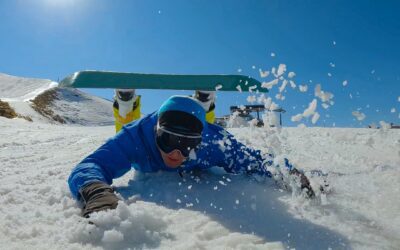
PRP can help you return to hiking, gardening, and movement without setbacks this spring.
All around town, people are getting back into action. Come April, we get longer days and the call to return to the hiking trails, weekend bike rides, and days in the garden. Our joints and connective tissues that have been used to a long, slow winter don’t always transition as quickly as our intentions.
This is when aches, stiffness, or lingering injuries tend to surface—right as our activity levels increase. The good news? This is an ideal time to support your joints proactively with regenerative treatments and a better understanding of what’s happening with your body.

“Gardening might not feel intense, but it places repetitive stress on key joints from kneeling, lifting, squatting, bending – so garden season is when we hear from a lot of patients about joint and tendon pain.”
– Dr. Ryan Wood
Why Pain Shows Up When Activity Increases
It’s a common question: “Why does it hurt now, when I was fine all winter?”
In many cases, the issue was already present, only much less noticeable during periods of lower activity.
As movement increases, the body reveals where additional support is needed. Rather than pushing through discomfort, this is an opportunity to:
- Address underlying issues early
- Support tissue healing
- Prevent longer-term setbacks
At NW Regen, we use regenerative therapies like PRP to help patients move beyond temporary relief and toward more complete recovery.
The Spring Tune-Up Your Joints Actually Need
You don’t have to wait for pain to become limiting before taking action.
A spring “tune-up” is less about pushing through discomfort—and more about supporting your body as activity increases. At NW Regen, we take a regenerative approach to joint health.
Treatments like platelet-rich plasma (PRP) use your body’s own healing factors to support tissue repair, reduce inflammation, and improve how joints and tendons respond to increased demand.
PRP is not a quick fix or a temporary numbing solution. Instead, it works by signaling the body to repair and strengthen affected tissues over time.
How’s It Work?
When combined with a thoughtful plan for gradual reconditioning, PRP can help:
- Improve tissue resilience
- Support more complete healing
- Reduce the risk of recurring irritation
Depending on your condition and goals, treatment may involve a series of injections spaced over time, allowing the body to build a more durable repair response.
After months of reduced activity, tissues may be:
- Less conditioned
- Slightly weakened
- More prone to irritation with repetitive use
Platelet-Rich Plasma (PRP) uses your body’s own healing factors to support tissue repair and recovery. PRP treatments help your joints adapt more smoothly as your activity levels increase. If you’re noticing early signs of joint discomfort this season, it may be the right time to evaluate what your body needs—before symptoms progress.
Are you experiencing any of these conditions?
1. The “Weekend Warrior” Cycle
A common pattern we see:
- Low activity during the week
- High activity on weekends
- Pain that lingers into the following week
This cycle often leads to:
Over time, these issues can become chronic.
Regenerative treatments like PRP aim to address the underlying tissue health. Treatments help the body repair rather than repeatedly recover from the same strain.
2. Preparing for Hiking Season in the Pacific Northwest
Spring is one of the best times to get back on the trails.
But it’s also when knee, hip, and Achilles issues tend to appear.
Early signs might include:
- Stiffness at the start of activity
- Discomfort on inclines or descents
- Lingering soreness after longer hikes
Addressing these symptoms early can make a significant difference in how your body performs throughout the season. At NW Regen, we’re committed to helping you return to activity with greater confidence and less pain.
Our PRP treatments are often used to support:
3. Gardening Season: Why Shoulders and Knees Flare Up
“Gardening may not feel intense,” explains Dr. Ryan Wood, “But it places repetitive stress on key joints.” Movements like these, repeated over hours or days, can trigger inflammation, especially if tissues are already deconditioned.
- Kneeling and squatting → triggers knee strain
- Lifting and reaching → exacerbates shoulder irritation
- Twisting and bending → irritates low back tendons
PRP can help support irritated tendons and joints by promoting a more complete healing response, rather than simply masking discomfort.
Learn more about regenerative medicine with NW Regen’s Dr. Ryan Wood.
Contact us to schedule your consultation.
NW Regen
We offer regenerative and interventional medicine – tailored to empower you with a more vibrant, active lifestyle.