Ski season is here — and if you’re 40 or older, your joints may be feeling a little less forgiving than they used to. The good news?
With smart preparation and evidence-based regenerative care, you can ski strong, confident, and pain-free all winter long.
At NW Regen, Dr. Ryan Wood combines regenerative orthopedics with targeted physical therapy to help adults reduce injury risk and support resilient, high-performing joints.
Read on to learn more about what injuries plague mid-life skiers, which exercises to focus on to dramatically reduce your risk of injury, and how ultrasound-guided platelet-rich plasma treatments and prolotherapy can help.
Why Skiers 40+ Face Higher Injury Risks
Skiing and snowboarding demand a combination of balance, strength, quick reaction time, and joint stability.

As we age, several natural changes make us more vulnerable to early-season injuries:
- Slower tissue recovery: Ligaments, tendons, and cartilage repair themselves more gradually than they did in our 20s.
- Old injuries “wake up”: Previous knee sprains, meniscus irritation, or hip injuries often resurface when cold weather hits.
- Reduced mobility: If your hips or ankles are stiff, your knees absorb more stress on every turn.
- Weaker stabilizers: Glutes, hamstrings, and core muscles naturally lose strength without intentional training.
Combine these tendencies with Portland’s stop-and-go winter season — where many people jump straight from office chairs to Mt. Hood — and you have a perfect setup for early-season strains.
The Three Most Common Ski Injuries Dr. Wood Sees
“While winter sports are incredibly safe with the right preparation, there are certain patterns that show up again and again in skiers who are in mid-life,” says Dr. Wood. “I encourage snow sport fans to pay special attention to any knee pain or tight hip flexors before hitting the slopes. Your body is talking to you.”
The three top injuries we see in our clinic include:
1. Knee Ligament Sprains (especially MCL)
A sudden twist, uneven terrain, or an awkward landing can overload the inner knee. MCL injuries are the most common ski-related issue for adults.
2. Meniscus Irritation or Small Tears
You don’t need a dramatic fall to irritate your meniscus. Age-related thinning combined with deep knee flexion can trigger swelling and sharp or catching pain.
3. Hip and Low-Back Strain
Weak glutes, tight hip flexors, and long days on uneven terrain place significant stress on the pelvis and lumbar spine.
The good news? Most of these injuries are preventable — and even small aches now are a sign your body is asking for support before you hit the slopes.
What to Do Before Your First Day on the Mountain?
A few weeks of preparation now can dramatically reduce your risk of injury.
Here’s where to focus:

Strengthen Your Foundation
Target the muscles that stabilize your knees and hips:
- Glute medius and glute max
- Quadriceps
- Hamstrings
- Calves
- Core (especially obliques)
Even 15 minutes, 3–4 times a week, can make a huge difference in skiing performance and joint protection.
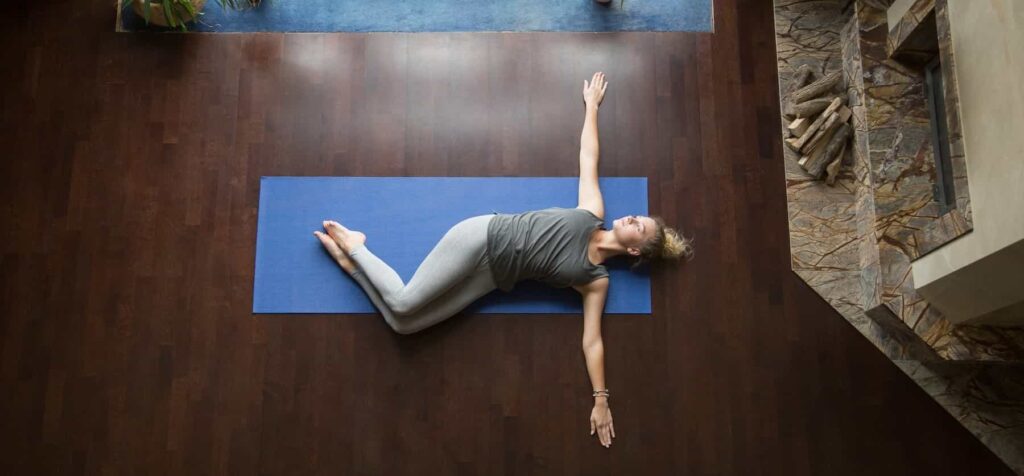
Restore Your Mobility
If you’re tight in hips, low back, or ankles, your knees absorb the extra load. Prioritize:
- Hip flexor and hamstring mobility
- Thoracic spine rotation
- Ankle dorsiflexion – flexing toes toward shin (essential for safe forward lean)
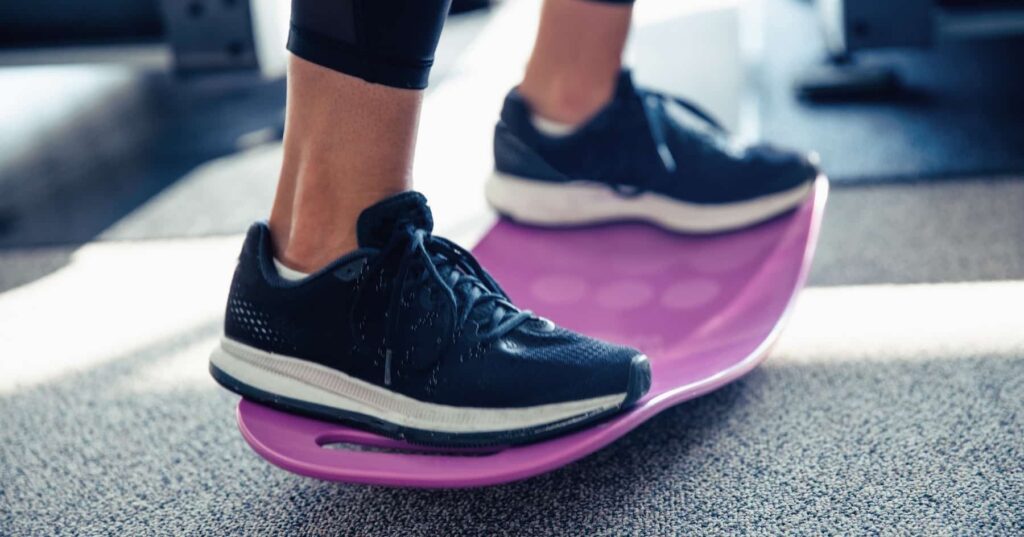
Improve Balance & Proprioception
What’s proprioception? It’s your awareness of the position and movement of your body. Falls become far less likely when your body is primed to react. Simple single-leg balance drills, wobble board work, or PT-guided coordination exercises can be transformative.
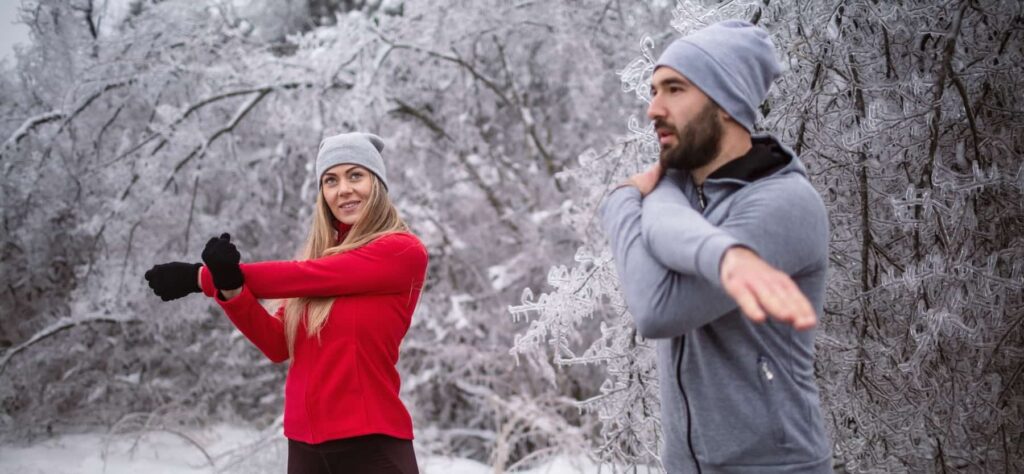
Warm Up Before You Ride
Most people skip this step — and it’s one of the most important. Walking lunges, hip circles, and light dynamic stretching help your joints adapt to cold conditions
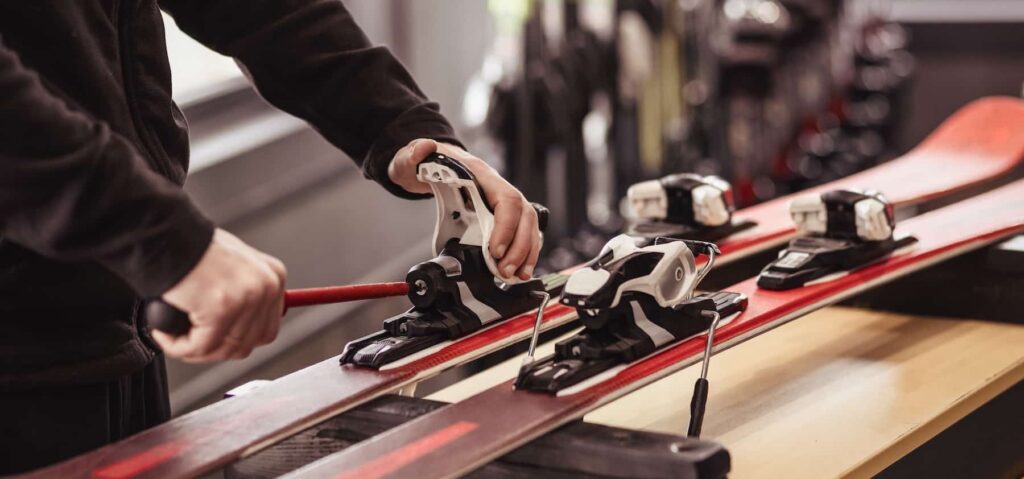
Check Your Gear
Proper boot fit, binding settings, and ski length matter. Gear issues account for more injuries than most people realize.
How Regenerative Medicine Protects Your Joints Before Injuries Happen
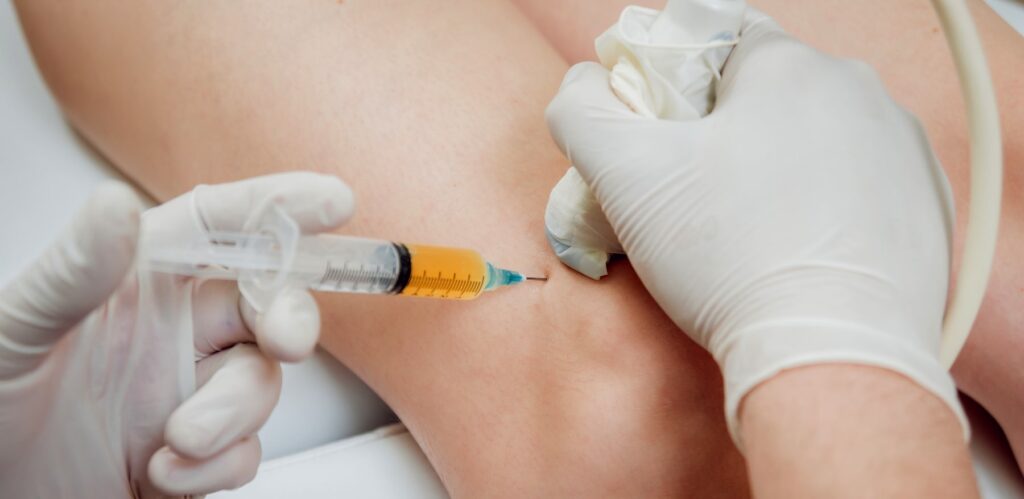
Winter sports place unique strain on knees, hips, and tendons. If your knees hurt before ski season starts, that’s the perfect time to optimize your joint health.
Dr. Ryan Wood uses regenerative orthopedic therapies to strengthen tissues, reduce inflammation, and support long-term joint health.
Key options include ultrasound-guided platelet-rich plasma (PRP) and prolotherapy.
✓ Platelet-Rich Plasma (PRP)
PRP uses your body’s own growth factors to enhance healing in ligaments, tendons, and cartilage. This is especially helpful for skiers with recurring knee or hip pain. It helps:
- Reduce chronic inflammation
- Improve tissue resilience
- Support early micro-tears before they worsen
✓ Prolotherapy
Prolotherapy strengthens areas of ligament laxity — often the underlying cause of instability or recurring sprains. Stronger ligaments mean joints that feel more secure and capable on uneven terrain.
✓ Ultrasound-Guided Diagnostics
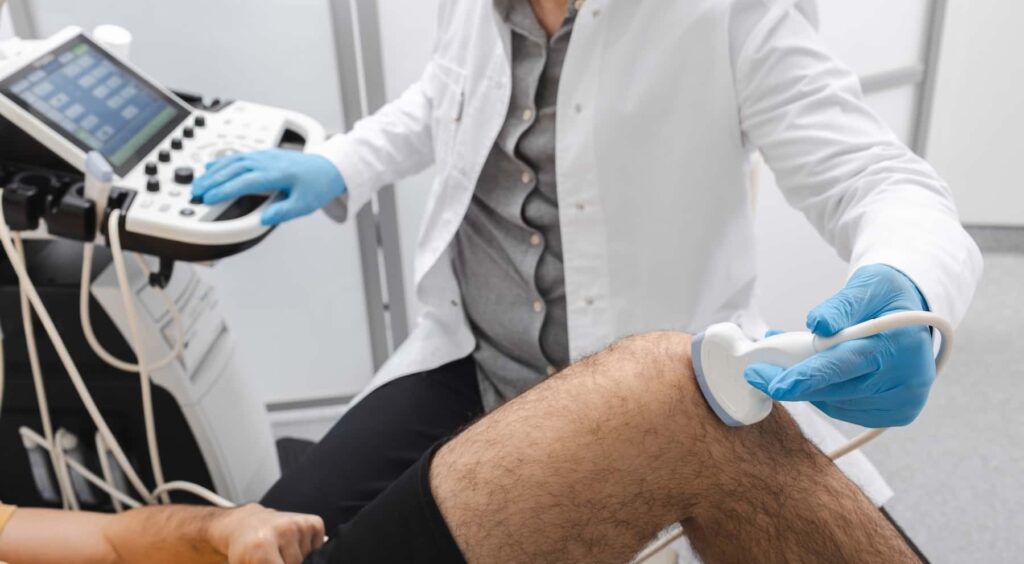
Dr. Wood uses high-resolution ultrasound to assess joint health in real time. This can identify early degeneration, inflammation, or areas of weakness that might lead to injury later in the season.
The NW Regen Advantage: Regenerative Care & PT
If it hurts, NW Regen helps. Regenerative medicine can help – whether your pain is congenital, degenerative, from a sports injury, arthritis, or whiplash.
We treat musculoskeletal injuries and any condition causing acute or chronic pain involving tendons, ligaments, cartilage, muscles, or joints. And our minimally-invasive, tailored treatments rejuvenate and heal – for reduced pain, improved quality of life, and a holistic return to your body’s peak potential. Our approach blends:
- Regenerative therapies to support tissue healing, and
- Physical therapy guidance to improve strength, balance, and alignment
This combination dramatically lowers injury risk and helps your joints adapt to the demands of skiing and snowboarding. Dr. Wood specializes in ultrasound-guided platelet-rich plasma (PRP) and prolotherapy.
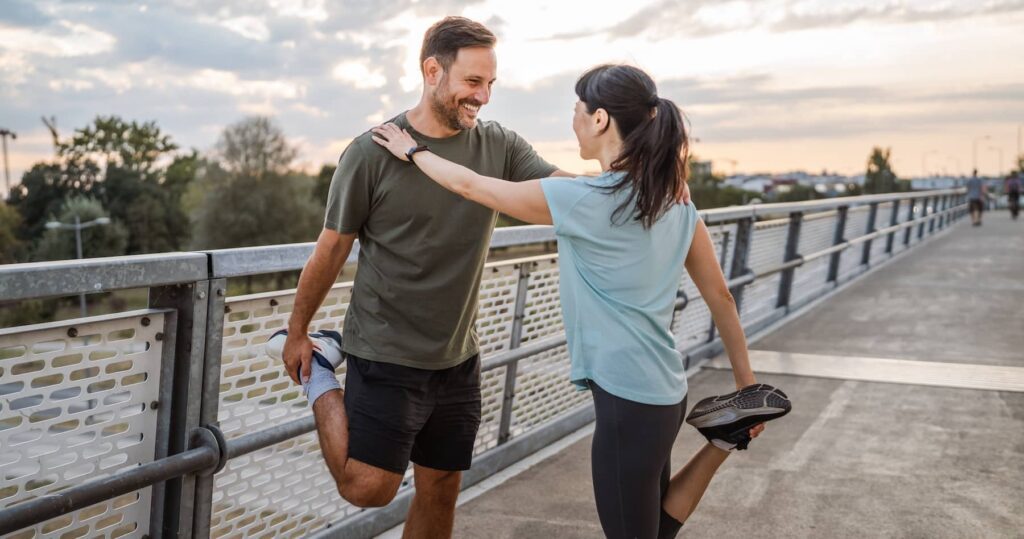
And he works with an extended network of physical therapists he can recommend for personalized plans that often include:
- Strengthening exercises specific to skiing mechanics
- Balance training to reduce fall risk
- Targeted regenerative treatments for weak or painful areas
- Guidance on safely increasing mountain time throughout the season
When to See Dr. Wood Before the Slopes
It’s time for an evaluation if you notice:
- Pain walking downhill
- Knee or hip soreness after sitting for a while
- “Clicking” or catching sensations
- A feeling of instability or weakness
- Stiffness that doesn’t improve after warming up
These are signals that your tissues need support — and early attention helps you stay on the mountain rather than sitting out mid-season.
Ski Strong This Season
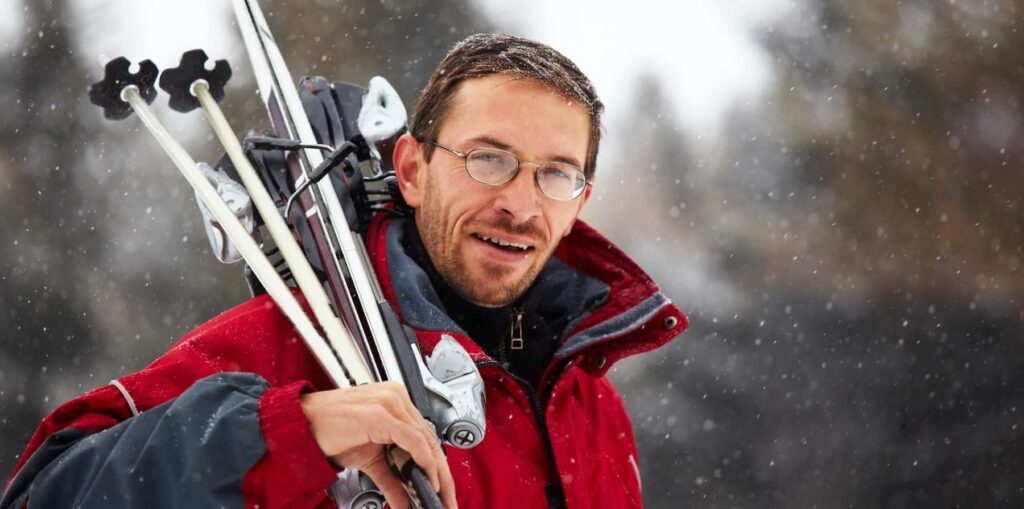
You can absolutely ski powerfully and pain-free at any age — you just need a plan. Whether you’re returning after years away or gearing up for your best season yet, Dr. Wood can help optimize your joint health and lower your risk of injury with a personalized strategy.
Ready to get your joints ski-season-ready?
Schedule a consultation with Dr. Wood
and build your winter performance plan today.
NW Regen
We offer regenerative and interventional medicine – tailored to empower you with a more vibrant, active lifestyle.