Why Early Regenerative Care Can Help Active Adults 40–65 Avoid Chronic Pain
Skiing and snowboarding place high, often unpredictable demands on the body. Sudden turns, uneven terrain, hard stops, and unexpected falls can stress joints, ligaments, tendons, and muscles, sometimes all in a single moment. After all, we’ve seen how those Olympic skiiers fared.
For many active adults in their 40s, 50s, and 60s, these injuries don’t always feel severe at first. Adrenaline carries you through the day, stiffness appears later, and it’s easy to assume recovery will happen on its own.
Sometimes it does. But with age, healing timelines change—and that matters.
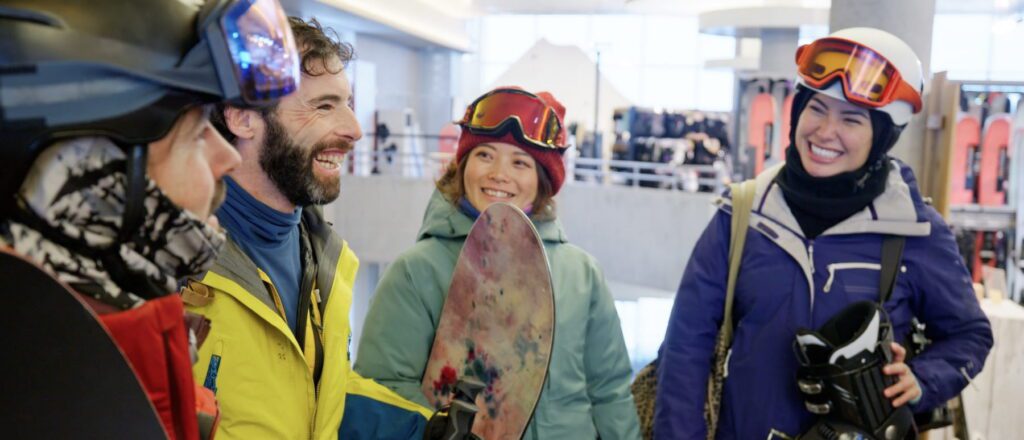
At our clinic, we frequently see women and men who remained highly active into midlife, only to find that a “minor” winter sports injury never fully resolved.
A knee that twists on a run, a shoulder strained during a fall, or a low-back jolt that seemed manageable at first can gradually turn into lingering pain, reduced range of motion, or recurring flare-ups that interfere with year-round movement.

Why midlife injuries behave differently
After age 40, the body’s ability to recover from joint and soft-tissue injuries naturally slows. Tendons and ligaments have less blood supply, cartilage becomes more sensitive to inflammation, and hormonal shifts can affect tissue resilience—especially for women.

When an injury isn’t addressed early, the body often compensates rather than heals.
Subtle changes in movement patterns—favoring one side, limiting range, or pushing through discomfort—can overload surrounding joints and muscles. Over time, inflammation may become chronic, and small injuries can progress into more complex, harder-to-treat problems.
This commonly shows up in:
- Knees and hips
- Shoulders and rotator cuff structures
- Low back and SI joints
- Ankles and Achilles tendons
How regenerative therapies support active aging
Regenerative therapies are designed to work with the body’s natural healing processes rather than suppress symptoms.
When used earlier in the injury timeline, these treatments may help reduce inflammation, support tissue repair, and improve joint function—before long-term degeneration sets in.
For active adults 40–65, regenerative care may help:
- Calm lingering inflammation after falls or repetitive strain
- Support healing of tendons, ligaments, and joint surfaces
- Improve stability, strength, and confidence in movement
- Reduce the risk of chronic pain or progressive joint damage
- Keep patients active across all seasons—not just ski season
Regenerative therapies including Platelet-Rich Plasma (PRP), Prolotherapy, and Stem Cell Injections are most effective when paired with thoughtful movement assessment, rehabilitation, and return-to-activity planning tailored to your lifestyle and goals.
Why timing makes a difference
The earlier an injury is properly evaluated, the more options are available. Waiting until pain becomes constant or activity-limiting often narrows treatment choices and extends recovery time. If you’re still noticing pain, stiffness, weakness, or instability weeks after skiing or snowboarding, that’s important information—not something to ignore.
Staying active for the long term
For adults who want to hike in summer, ski in winter, travel comfortably, and stay strong year-round, addressing injuries early is an investment in longevity. Your body can continue to move well into midlife and beyond—but it heals best when supported early, thoughtfully, and intentionally. Contact us at NW Regen for more information.
NW Regen
We offer regenerative and interventional medicine – tailored to empower you with a more vibrant, active lifestyle.