The nervous system roots of emotional intensity in ADHD
Today, let’s learn about how nervous system dysregulation and imbalance contribute to overwhelm, reactivity, irritability, and emotional swings.
When most people think about ADHD, they think about attention, focus, or hyperactivity.
But for many adults (and children) with ADHD, one of the most disruptive parts of living with ADHD is big, fast, overwhelming emotions. This is also one of the least discussed.
- Sudden irritability.
- Emotional outbursts.
- Feeling flooded by frustration, sadness, or anxiety with little warning.
While these symptoms often get ‘written off’ as immaturity, poor coping skills, or a lack of effort, they are often signs of nervous system dysregulation.
ADHD Is a Nervous System Condition (not a willpower problem)
ADHD affects how the brain regulates attention, impulse control, and emotional response. At the core of all three is the autonomic nervous system—the system that controls arousal, stress response, and recovery.
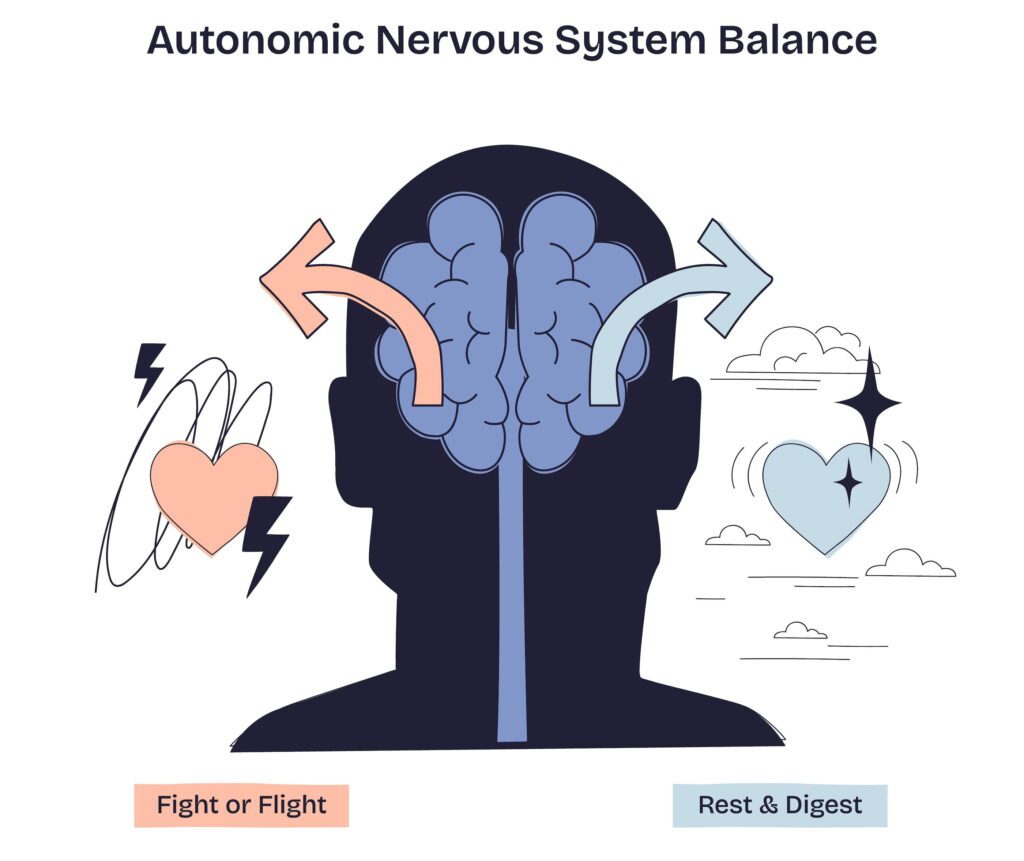
it can get “stuck” in heightened states of alertness.
When the nervous system is already revved up, emotions rise faster, feel stronger, and are harder to regulate.
This is why small frustrations can feel enormous, transitions feel destabilizing, and emotional reactions may seem out of proportion—even to the person experiencing them.

Why Emotional Overwhelm Happens So Quickly
When the nervous system is dysregulated:
- The brain has less access to pause-and-reflect pathways
- Stress hormones are released more quickly
- Sensory input feels louder and more intrusive
- Emotional signals bypass rational processing
In these moments, the body reacts before the mind has a chance to catch up.
This can look like emotional reactivity, shutdown, or sudden overwhelm—but it’s not intentional behavior. It’s physiology.

down when it doesn’t feel safe or settled.
Emotional Regulation Requires Safety First
One of the most important shifts in ADHD care is understanding that emotional regulation can’t be forced.
Supportive strategies focus on helping the nervous system return to regulation, rather than demanding emotional control in the moment.
This might include:
- Gentle structure instead of rigid routines
- Predictable transitions and pacing
- Rest and recovery built into the day
- Body-based regulation tools like breathwork or movement
- Addressing sleep, hydration, and stress load

emotional regulation becomes more accessible.
A Compassionate Reframe
Big emotions are not a flaw of ADHD—they’re part of how a sensitive, fast-reacting nervous system responds to the world.
With the right support, individuals with ADHD can build awareness, resilience, and regulation without suppressing or judging their emotional experience.Understanding ADHD through a nervous system lens allows for more compassion, more effective care, and better long-term outcomes—not just for focus, but for emotional wellbeing, relationships, and quality of life.

WHAT TO DO NOW?
If emotional overwhelm is a frequent part of your ADHD experience, it may be worth exploring approaches that focus on nervous system regulation—not just symptom management.
DOWNLOAD THIS FLYER TO PLACE IN YOUR OFFICE, BATHROOM, OR KITCHEN TO REMIND YOU THAT EMOTIONS ARE A BIG PART OF ADHD MANAGEMENT, TOO.
Contact us and we’ll set up an appointment with Dr. Alicia Hart so you can discuss what tailored treatments can work best for you or your child (7+ ages).

NW Regen
We offer regenerative and interventional medicine – tailored to empower you with a more vibrant, active lifestyle.